
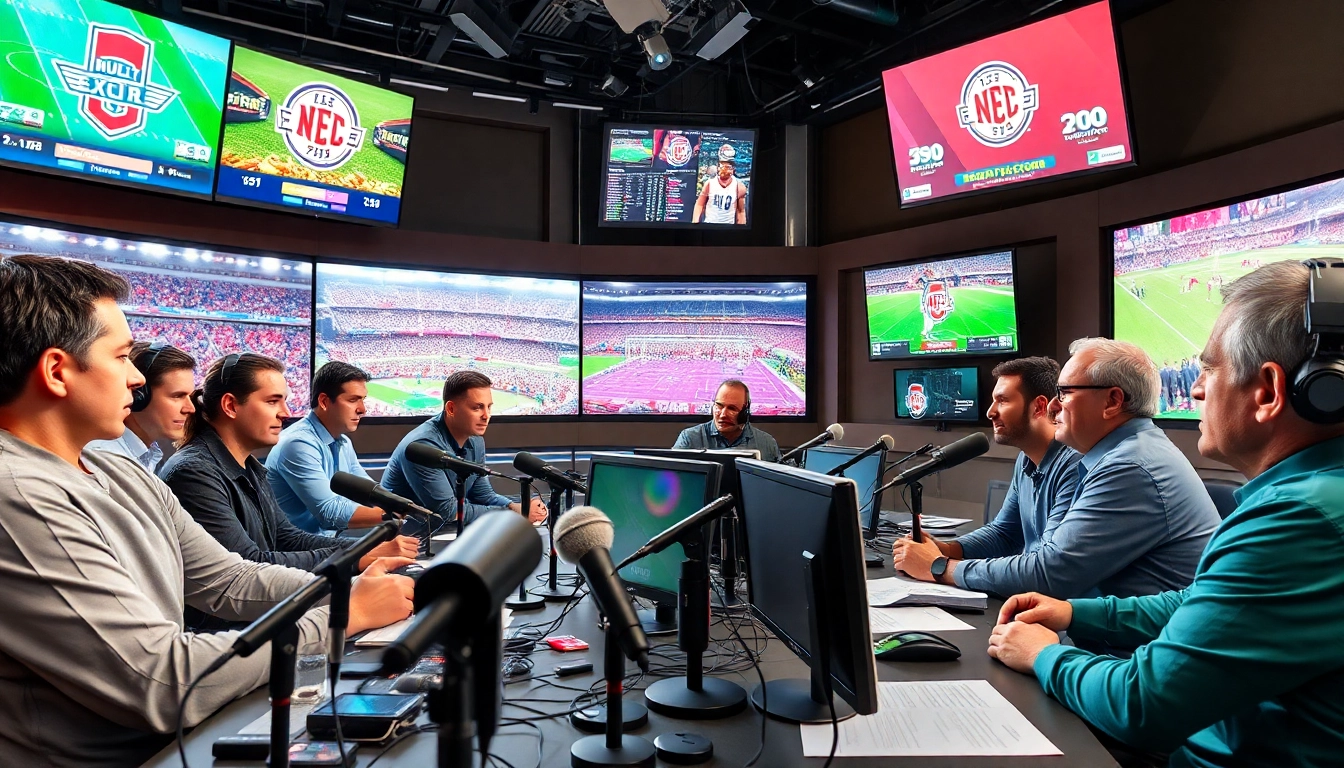
Understanding the Basics of Sports Broadcasting
What is Sports Broadcasting?
Sports Broadcasting is the dissemination of sports-related content through various media channels, including television, radio, and online platforms. Its goal is to deliver live commentary, analysis, and highlights of sports events to fans worldwide. As an essential component of the sports industry, it increases accessibility, engages audiences, and enhances the overall viewer experience. Broadcasting can range from major live events to specialized shows discussing player updates and sports analytics. For those interested in delving deeper into this thrilling field, a great starting point is to explore Sports Broadcasting.
The Evolution of Sports Broadcasting Techniques
The journey of sports broadcasting began with radio broadcasts in the early 20th century, evolving rapidly with the advent of television. Consequently, the introduction of satellite technology in the 1960s brought live sports into homes across the globe, allowing fans to witness events in real-time. Today, streaming platforms are reshaping how audiences consume sports, creating opportunities for interactive experiences. As technology progresses, immersive features such as 3D visualization, augmented reality, and ultra-high-definition broadcasts are becoming the norm.
Key Components of a Sports Broadcast
A successful sports broadcast hinges on several fundamental components:
- Commentators and Analysts: Their expertise and personality bring events to life and provide deeper insights into the action.
- Camerawork: Multiple camera angles ensure audiences can capture every moment, creating an engaging viewing experience.
- Graphics and Statistics: Stats displayed during the broadcast help viewers understand the game’s progress and the players’ performances.
- Sound Design: Background music and crowd reactions significantly enhance the atmosphere, making viewers feel present at the event.
Essential Technologies in Sports Broadcasting
Equipment Used for Live Broadcasting
The arsenal of equipment necessary for a high-quality sports broadcast is extensive. Key tools include:
- Cameras: High-definition cameras capture the action in great detail, while specialized cameras, such as super slow-motion and aerial drones, provide unique perspectives.
- Microphones: Different types of microphones, including lapel, shotgun, and ambient mics, pick up commentary and crowd noise, enriching the audio landscape.
- Mixing Consoles: Operators manage audio levels and pull different sound feeds together for a cohesive listening experience.
- Encoding Equipment: Used to compress video files for distribution over the internet, ensuring minimal lag during streaming.
Role of Broadcast Software
Modern broadcasting relies heavily on robust software solutions for managing media content. Key functionalities include live switching, graphics rendering, and video playback. Many broadcasters utilize cloud-based systems that enable remote production capabilities. This is invaluable during special events or when covering multiple games simultaneously, as it allows teams to collaborate efficiently, regardless of their location.
Utilizing Social Media for Live Engagement
Social media platforms have transformed the landscape of sports broadcasting by providing real-time interaction with audiences. Broadcasters can create dedicated hashtags to generate buzz during events, allowing fans to share their thoughts and reactions. Live streaming on platforms like Facebook Live, Instagram, and Twitter provides an additional layer of connection, enabling fans to engage with commentators and each other during the event.
Creating Compelling Content in Sports Broadcasting
Storytelling Techniques for Sports
Sports is a narrative-rich medium that lends itself to compelling storytelling. Successful broadcasters craft engaging narratives around players, rivalries, and pivotal moments. Techniques like building character arcs, highlighting underdog stories, and using strategic pacing keep the audience captivated. Visual storytelling through dynamic camera work and inventive graphics also plays a critical role in how these narratives unfold on-screen.
Engaging Viewer Interactions
Maintaining viewer engagement during broadcasts is essential for retention. This can be achieved through viewer polls, allowing fans to make predictions during live broadcasts, or featuring fan-generated content. By encouraging viewers to share their feedback and experiences, broadcasters can create a communal atmosphere that makes fans feel more invested in the content.
Implementing Visual and Audio Elements
The synergy between visual and audio elements in sports broadcasting cannot be understated. High-quality visuals coupled with immersive audio design create a comprehensive experience. Layering commentary with sounds from the game, such as sneakers squeaking on the court or the crack of a bat, enhances the overall atmosphere. This multi-sensory approach captures the energy of live events and resonates with viewers long after the broadcast has ended.
Best Practices for Broadcasting Various Sports
Understanding Different Audiences
Each sport attracts diverse audiences, each with unique preferences and expectations. Broadcasters must tailor their content to suit these demographics, whether it involves adjusting the technical aspects, such as the level of analysis, or the tone of commentary. Understanding fan culture, trends, and colloquialisms within specific sports can enhance the relatability and reach of broadcasts significantly.
Adaptations for Diverse Sports Events
Different sports come with varying rules, formats, and rhythms. Broadcasters must adapt their presentation styles accordingly. For instance, the pacing of a football game is notably different from a basketball game, necessitating shifts in commentary and graphics to suit each sport’s dynamics. Moreover, special events, such as tournaments or championships, may require additional coverage, commentary teams, and promotional efforts to capture heightened fan interest.
Scheduling and Timing Strategies
Effective scheduling is crucial for maximizing viewer engagement. Broadcasters need to anticipate peak viewing times, especially for live sports. Coordinating significant events, considering time zone differences, and balancing programming schedules to accommodate varying audiences ensures broader reach. Stakeholders should also recognize the importance of planning ahead for season schedules and high-profile match-ups, as these events generate increased traffic and viewership.
Measuring Success in Sports Broadcasting
Tips for Analyzing Viewer Data
To gauge the effectiveness of their broadcasts, sports broadcasters must employ data analytics tools that provide insights into audience behavior. Key metrics include viewer engagement rates, demographics, viewership duration, and peak viewing times. Assessing this data consistently enables broadcasters to fine-tune their programming strategies and strengthen viewer connections.
Key Performance Metrics for Broadcasters
Broadcasting success can be assessed using several performance metrics. These include:
- Ratings: Measure average viewership and share to understand how many people are tuning in.
- Engagement Rates: Assess how fans interact with content on social media and online platforms.
- Share of Voice: Track how mobile and web analytics feed into overall brand perception and reputation.
- Revenue Generated: Analyze advertising and sponsorship revenue to measure financial success.
Strategies for Continuous Improvement
The landscape of sports broadcasting is ever-changing, with technology and audience expectations continuously evolving. Broadcasters must embrace a culture of continuous improvement by staying informed of industry trends, investing in team training, and soliciting viewer feedback. Regularly updating technology, equipment, and software will ensure broadcasts remain cutting-edge and engaging.
Frequently Asked Questions
What skills are essential for sports broadcasters?
Sports broadcasters should have strong communication skills, knowledge of sports, on-camera presence, and the ability to think on their feet. Analytical skills and an understanding of technology are also crucial for success.
How has technology changed sports broadcasting?
Technology has transformed broadcasting with HD and 4K video, real-time data integration, social media engagement, and streaming services, thereby enhancing viewer experience and interaction.
What makes a good sports commentator?
A good sports commentator possesses expertise in the sport, an engaging personality, and the ability to convey excitement and analysis in a captivating manner. They adapt to the audience’s needs for information and entertainment.
How do broadcasters engage fans during events?
Broadcasters engage fans through social media interactions, live polls, behind-the-scenes content, and by featuring fan comments and interactions on-air, creating a participatory viewing experience.
What are the challenges of sports broadcasting?
Challenges include maintaining viewer interest, adapting to new technologies, ensuring accurate commentary, and competing with streaming platforms for audience attention, necessitating constant innovation and improvement.