
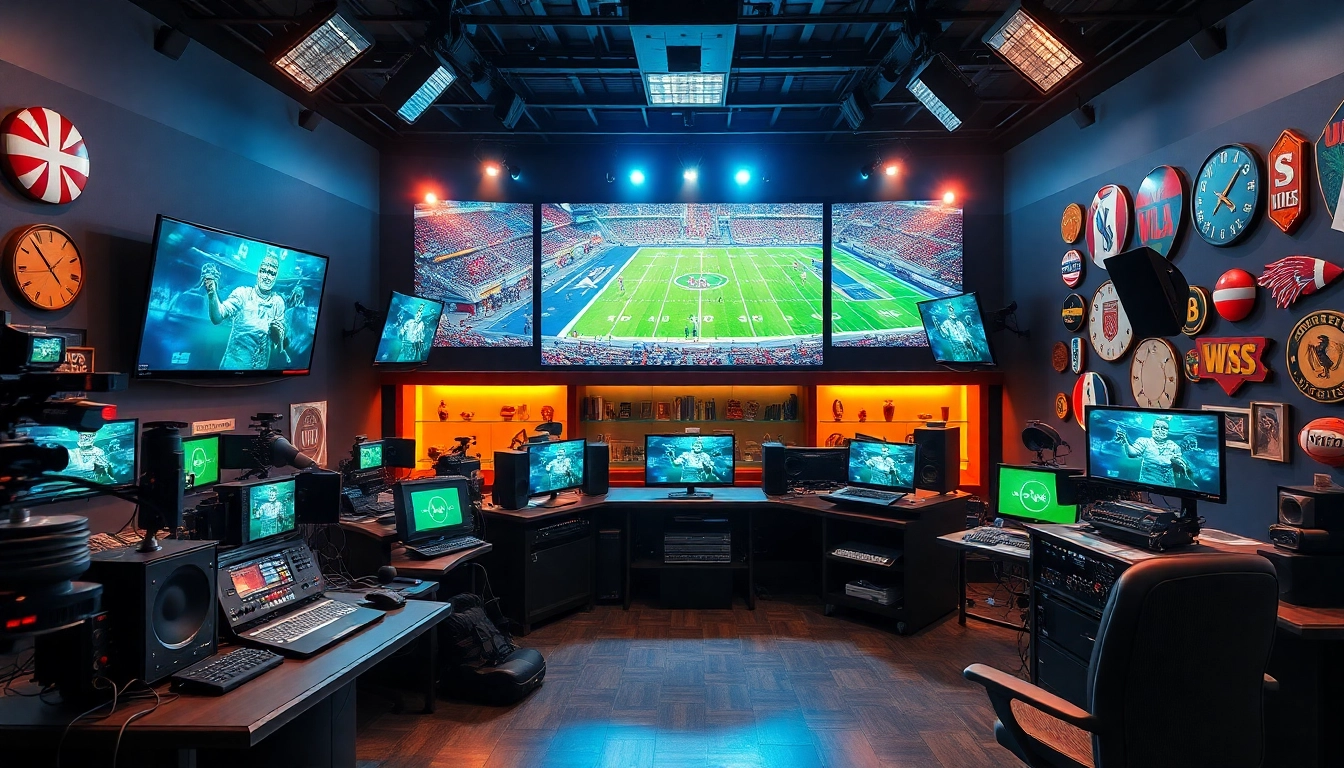
Understanding Sports Broadcasting Fundamentals
What is Sports Broadcasting?
Sports broadcasting refers to the dissemination of live sporting events or related sports content via various media channels, including television, radio, and online platforms. This practice not only involves transmitting the live action of sports but also encompasses a myriad of commentary, analysis, and highlight features that allow fans to engage with their favorite teams and athletes. The essence of sports broadcasting is to make sports accessible to audiences worldwide, fostering a shared experience amongst fans, regardless of their geographical location. In today's digital age, the scope of Sports Broadcasting extends to streaming services that provide flexible viewing options catering to consumer preferences.
The Evolution of Sports Broadcasting
The journey of sports broadcasting began with radio broadcasts in the early 20th century, dramatically transforming when television became prevalent in the 1950s. Initially, sports were limited to local broadcasts, but the demand for broader access led to the development of nationwide networks. The introduction of color broadcasts and remote production methods allowed fans to experience events in new, engaging ways. More recently, the internet has revolutionized the landscape, with live streaming, social media interaction, and on-demand content allowing audiences to curate their sports viewing experiences. Each of these advancements reflects a response to consumer demands and the technological innovations available at the time.
Key Components of Sports Broadcasting
Several key components make up the landscape of sports broadcasting. These include:
- Production Facilities: High-quality broadcasts rely on sophisticated production facilities that can relay live images, sound, and data from multiple camera angles.
- Broadcast Rights: Obtaining the rights to air specific events is crucial, as this can dictate which content is available for audiences.
- Commentary and Analysis: Expert commentary enhances the viewer's experience by providing insights, background information, and a narrative to the events taking place.
- Audience Interaction: Modern broadcasts often incorporate viewer engagement through social media platforms, polls, and fan questions, significantly enriching the viewing experience.
Technology in Sports Broadcasting
Role of Streaming Services in Sports Broadcasting
The rise of streaming services has revolutionized sports broadcasting, allowing fans to watch their chosen events anytime and anywhere. Unlike traditional cable services, streaming platforms offer flexibility in viewing, often providing tailored content through subscription models. This evolution has led to increased competition among broadcasters, driving innovation and improvements in the quality of service. Streaming allows for features such as live replays, multi-angle views, and interactive features that enhance the viewing experience, catering to a tech-savvy audience.
Emerging Technologies Transforming Sports Broadcasting
Emerging technologies are continually reshaping the sports broadcasting landscape. High-definition (HD) and ultra-high-definition (UHD) broadcasting have set new standards for visual fidelity, while virtual reality (VR) and augmented reality (AR) are beginning to find their place in sports media. VR provides immersive experiences that can place fans "in the game," while AR can enhance broadcasts with real-time statistics and graphics overlaying live action. Furthermore, 5G technology is paving the way for smoother streams, reduced latency, and innovative forms of content delivery.
Equipment Essentials for Modern Sports Broadcasting
To produce high-quality broadcasts, sports producers utilize various equipment types, such as:
- Cameras: Different angles from multiple cameras capture the unfolding action, ensuring no moment is missed.
- Audio Equipment: High-quality microphones and audio mixers help deliver clear commentary and sound effects, essential for creating an exciting atmosphere.
- Broadcasting Software: Advanced software systems manage live feeds, graphics overlays, and viewer interaction elements seamlessly during production.
- Data Analytics Tools: Technologies that analyze player performance and broadcast metrics are becoming increasingly essential for producing insightful content.
Audience Engagement Strategies in Sports Broadcasting
Creating Compelling Content for Viewers
To capture and retain viewers' attention, broadcasters must focus on creating compelling content that resonates with their audience. Strategies include storytelling where narrative elements are used to weave together highlights, backstories of teams and players, and emotional connections. Providing exclusive content, such as behind-the-scenes access, interviews, and feature pieces enhances engagement by offering viewers a deeper understanding of the sport and its athletes. Additionally, recognizing audience demographics and preferences can steer content production towards what resonates best with specific viewer segments.
Utilizing Social Media for Enhanced Viewer Interaction
Social media platforms have become crucial for engaging audiences in real time during broadcasts. Companies leverage platforms such as Twitter, Facebook, and Instagram to create communities around their broadcasts. Utilizing live-tweeting during events, conducting polls, and integrating viewer-submitted questions enhances viewer participation. Furthermore, clips and highlights shared on social media drive additional viewership to live events, creating a feedback loop that enhances both social engagement and broadcast reach.
Analytics and Metrics in Sports Broadcasting
Analytics plays an integral role in shaping the strategies of sports broadcasters. Metrics such as viewership ratings, social media engagement, and audience demographics provide insights that help producers optimize content and outreach. By analyzing these metrics, broadcasters can determine which content resonates most with viewers, allowing them to tailor future broadcasts. Effective use of analytics can also help in strategic partnerships and sponsorship negotiations, demonstrating the broadcast's potential reach to advertisers.
Challenges in Sports Broadcasting
Regulatory and Licensing Issues
Sports broadcasting is often at the mercy of stringent regulatory frameworks that govern broadcasting rights and licensing agreements. Navigating copyright, intellectual property issues, and international regulations can pose significant challenges. To maintain compliance, broadcasters must stay informed on these regulations while negotiating favorable terms with rights holders. Additionally, staying adaptive to shifts in regulatory environments helps broadcasters avoid potential legal complications that can arise with changing laws.
Adapting to Changing Consumer Preferences
Consumer preferences are changing rapidly, influenced by technological advancements and shifts in media consumption. Broadcasters must adapt to these changes, which includes investing in digital platforms, customization options, and interactive content to cater to younger audiences. Engaging in market research enables broadcasters to stay ahead of trends and better serve their viewers' evolving tastes and preferences.
Managing Broadcast Rights and Partnerships
Securing broadcast rights and negotiating partnerships creates both opportunities and challenges for broadcasters. High-profile events can come with substantial costs, demanding careful financial planning and risk assessment. Furthermore, navigating these partnerships requires building and maintaining relationships with leagues, sponsors, and other stakeholders. Effective negotiation strategies and alignment of incentives can support successful partnerships that maximize value for all involved parties.
Future Trends in Sports Broadcasting
Growth of Virtual Reality in Sports Broadcasting
Virtual reality (VR) technology is at the forefront of transforming how sports are experienced. With VR, viewers can experience games from different perspectives and even feel as if they are in the stadium. Broadcasters are beginning to invest in VR to provide immersive experiences, engaging fans like never before. As this technology matures and becomes more accessible, it will likely become a standard feature in sports broadcasting, elevating fan engagement and loyalty.
The Impact of Esports on Traditional Sports Broadcasting
The rise of esports has reshaped the landscape, producing a unique challenge and opportunity for traditional sports broadcasters. As esports draw huge audiences and increasingly resemble conventional sports in terms of production and viewer engagement, traditional broadcasters are recognizing the potential for collaboration and cross-promotion. This intersection encourages exploration into new formats that appeal to both audiences, blending elements of traditional sports broadcasting with innovative approaches unique to the gaming community.
How AI is Transforming Sports Broadcasting
Artificial intelligence (AI) is transforming several aspects of the sports broadcasting industry. From automating data analysis to enhancing personalized content delivery, AI can help tailor broadcasts to viewer preferences better than ever. Additionally, AI-powered chatbots and virtual assistants contribute to audience interaction, providing real-time statistics and answering viewer queries. As AI continues to evolve, it will play an increasingly pivotal role in shaping the future of sports broadcasting, streamlining operations and enhancing viewer experiences.
FAQs About Sports Broadcasting
What types of media are used in sports broadcasting?
Sports broadcasting utilizes various media channels, including television, radio, and online streaming platforms, providing fans access to live events and related content.
How has technology impacted sports broadcasting?
Technology has significantly enhanced sports broadcasting, introducing high-definition streaming, interactive features, and engagement through social media, improving overall viewer experience.
What are some challenges faced in sports broadcasting?
Challenges include navigating regulatory issues, managing broadcast rights, and adapting to changing consumer preferences in an ever-evolving media landscape.
How can broadcasters engage viewers effectively?
Broadcasters can enhance viewer engagement by creating compelling content, utilizing social media for interaction, and analyzing metrics to tailor broadcasts to audience preferences.
What is the future of sports broadcasting?
The future will see advancements in virtual reality, integration of esports, and enhanced use of AI, continually transforming how fans connect with and experience sports.